
Scaling design through people & process
My Role — Team management, Ways of working, Stakeholder alignment, Agile delivery
TLDR
My approach
Empowering designers to make decisions drives motivation and performance.
Continuous Discovery keeps the user at the center, even in fast-paced environments.
The Double Diamond framework keeps us aligned within UX and across teams — discover, define, develop, deliver and repeat.
Open forums (like Design Syncs) and lightweight rituals strengthen team culture and cross-functional alignment.
Ideation workshops and design sprints are a great way to set expectations early on and create a cross functional delivery flow.
Building a flexible process like Scrumban allows teams to balance structure with autonomy.
Introduction
I’ve built and led design teams in previous roles, and at FDJ I’m proud of the team I’ve shaped. We focus on aligning user needs with business goals — making sure our work creates value for both the people who use our products and the company behind them. In a large organization, different teams naturally bring different perspectives, that’s what makes collaboration and communication so important. When we connect insights from users with the ambitions of the business, we can design solutions that work on every level.
We use research and data to guide our decisions, but we also stay close to business priorities so our impact is clear and measurable. My background in Agile and Scrum helps keep that alignment strong — creating a shared way of working where design plays a key role in driving both great experiences and meaningful results.
Design leadership
I’ve developed a way of working that gives designers the freedom to make decisions and shape their own work — with the right balance of guidance and support. This creates space for genuine creativity and ownership — and, most importantly, headspace to design.
I strongly believe in autonomy over rigidity. Rather than prescribing strict career paths or tasks, I provide a collective vision and clear priorities, then let individuals take responsibility for their own delivery.
I’ve seen this approach re-energize even those who were previously under-motivated. Often, disengagement stems from a lack of ownership or variety. By giving people control over their workload and trust in their decision-making, I’ve seen notable improvements in performance and morale across the team.
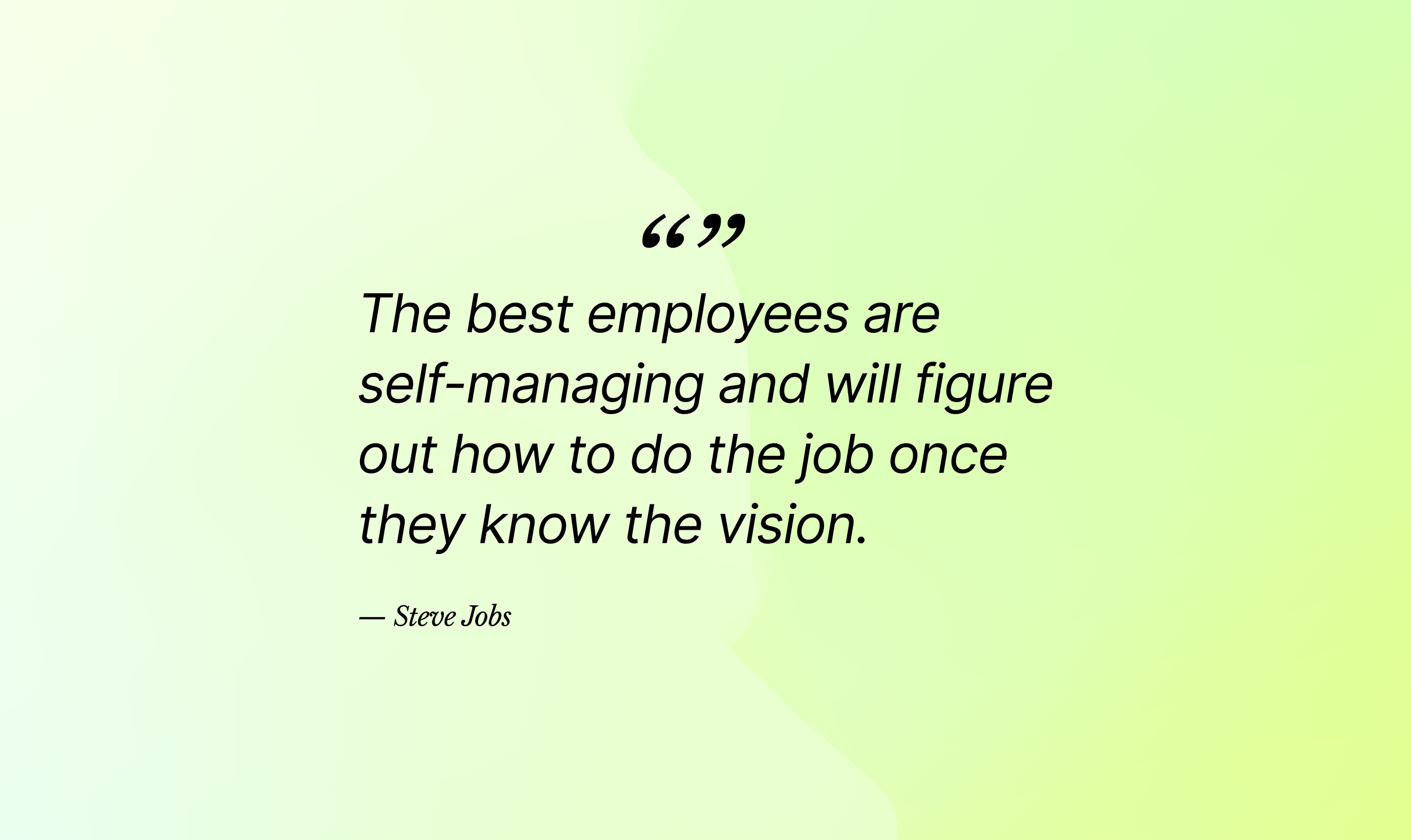
A classic quote — still rings true today!
UX principles
My team is guided by a few core principles — most importantly continuous discovery and the Double Diamond model.
I believe it’s essential to talk to our customers at every opportunity and to continuously test and learn. We work closely with our Research and Insights team, who are fantastic partners and always open to collaborating throughout the UX process.
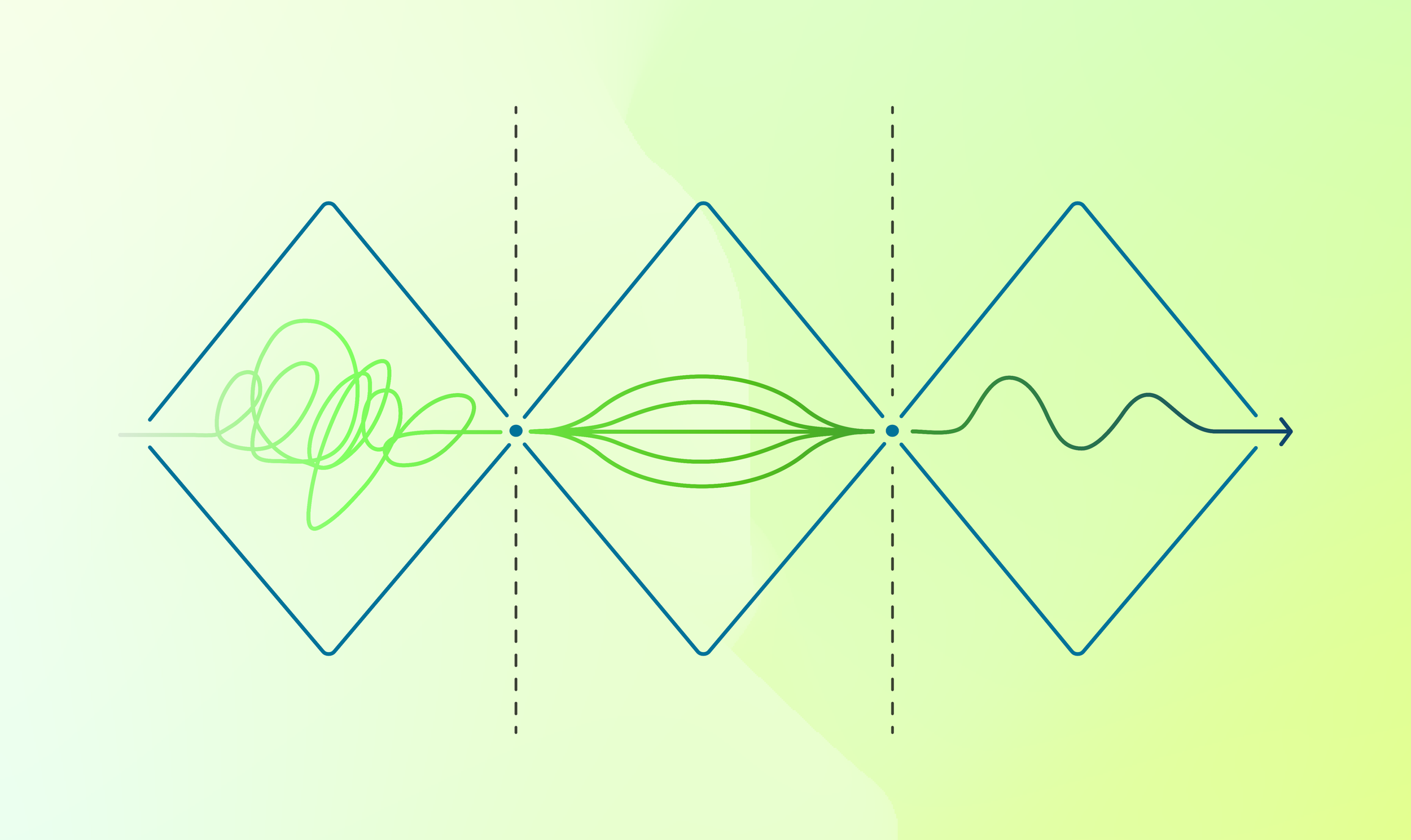
The Double Diamond helps us visualize where we are within the design and delivery journey, ensuring we know when to diverge and explore, and when to converge and define. We often interpret it as a Triple Diamond, adding a third stage for delivery and iteration — which you can see reflected in the hero graphic at the top of the page. It’s a reminder that design doesn’t end at handoff; testing, learning, and refining are all part of the process.
I make it a priority to include stakeholders during workshops and ideation sessions, particularly during the early “divergent” stages. This fosters shared understanding, builds alignment early on, and strengthens relationships across teams.
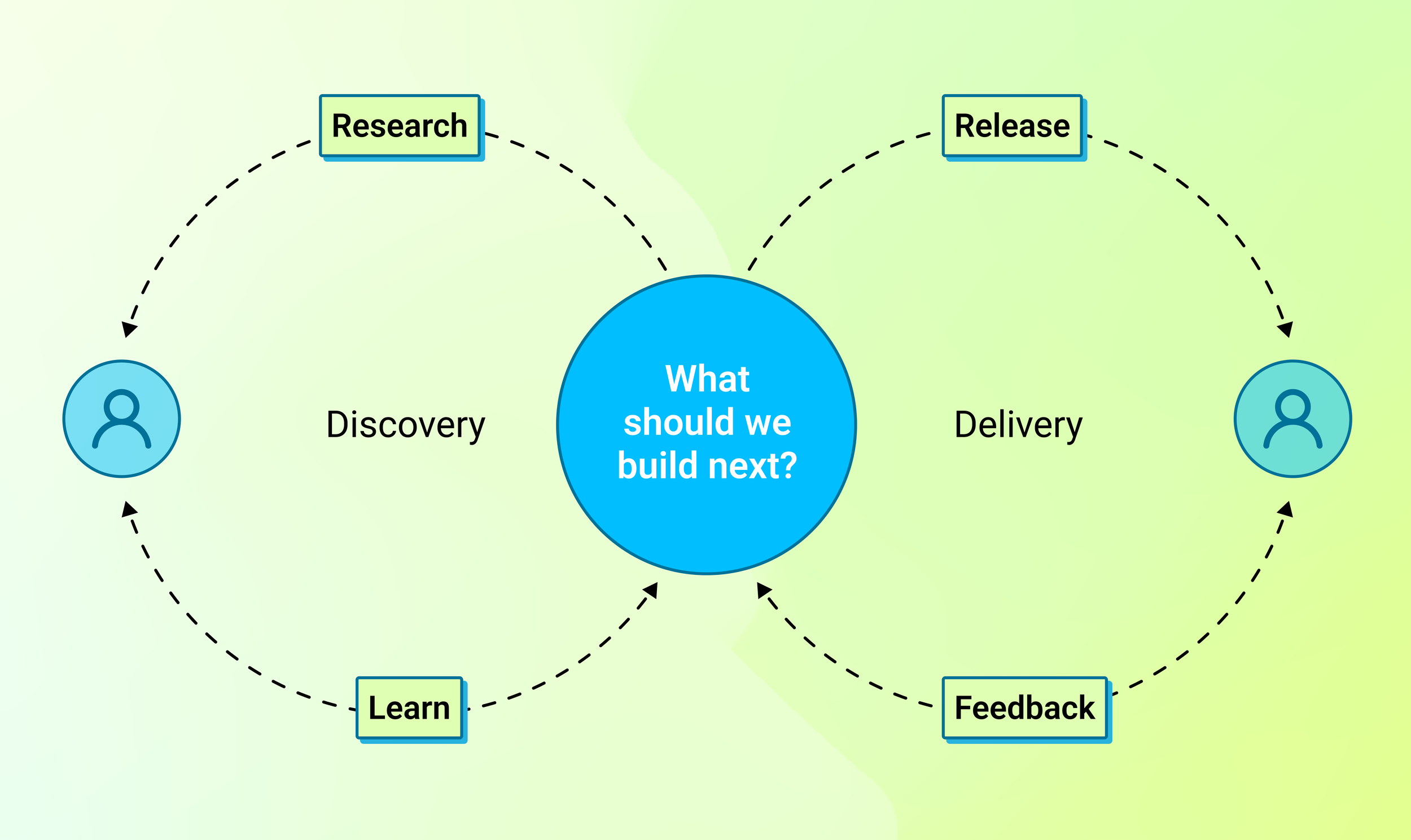
Continuous Discovery — discovery feeds delivery and delivery feeds discovery
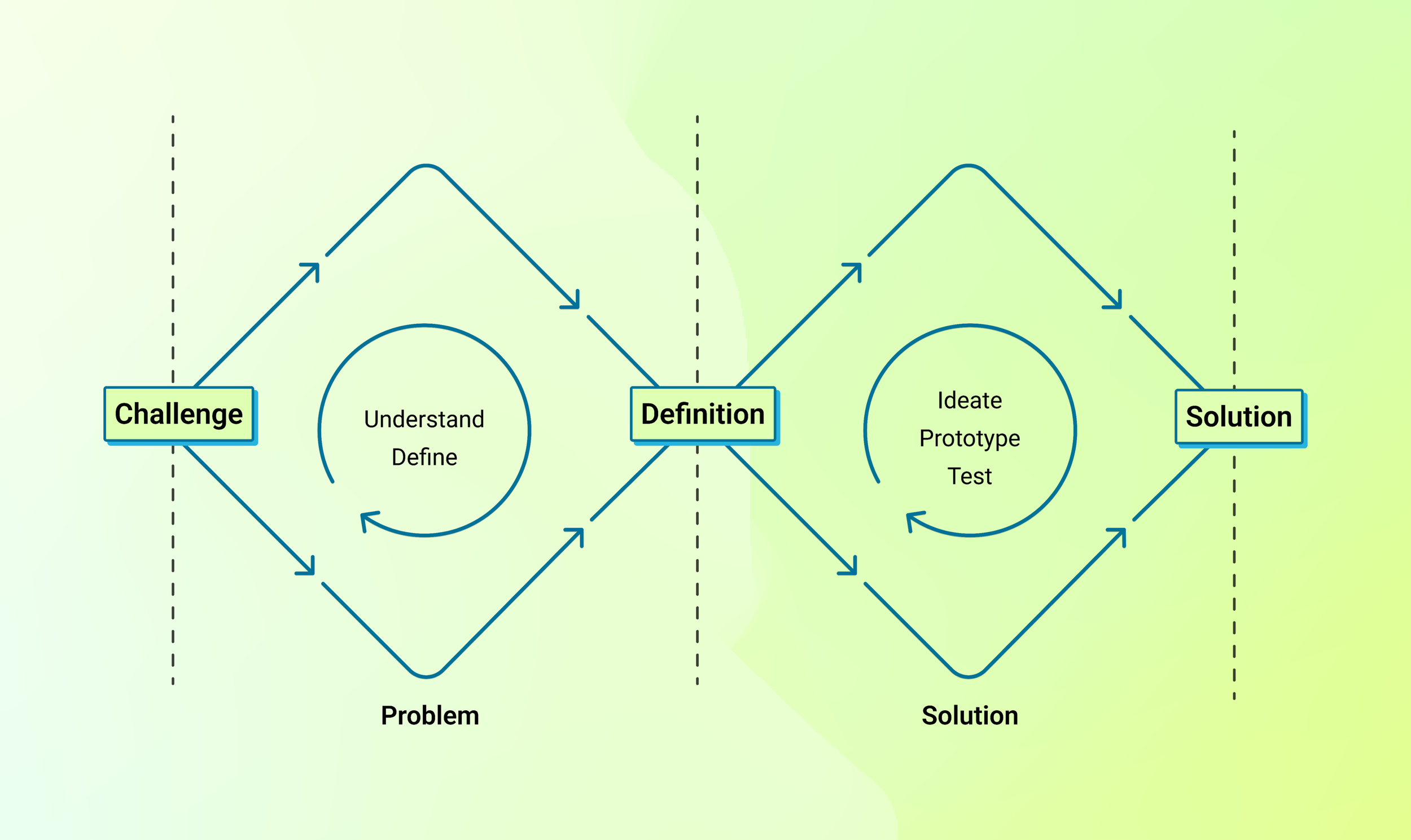
The Double Diamond — discover, define, develop, deliver and repeat
Stakeholder alignment
Our environment is complex and fast-moving, with shifting priorities from multiple stakeholders. As the design manager, I’m responsible for aligning with these priorities and attending the right meetings to “download” relevant information for my team. I filter out the noise — internal politics and changing strategies, so the team can focus on what matters — delivering great design.
To keep everyone connected, I host a fortnightly Design Sync — an open forum where the team can share ideas, discuss work in progress, and flag challenges early. We also hold regular check-ins with other product teams to support their design system needs and answer general UX questions, ensuring alignment across multiple business areas.
Another way I encourage collaboration is through ideation workshops with stakeholders. These sessions help capture requirements early and give everyone a voice in the creative process. They’re especially effective at aligning perspectives during the divergent thinking stage and setting clear expectations for what success looks like — whether it’s defining an MVP or validating an idea. Each session typically runs for around 90 minutes and always pays off, helping us move forward with shared understanding and a solid foundation for design.
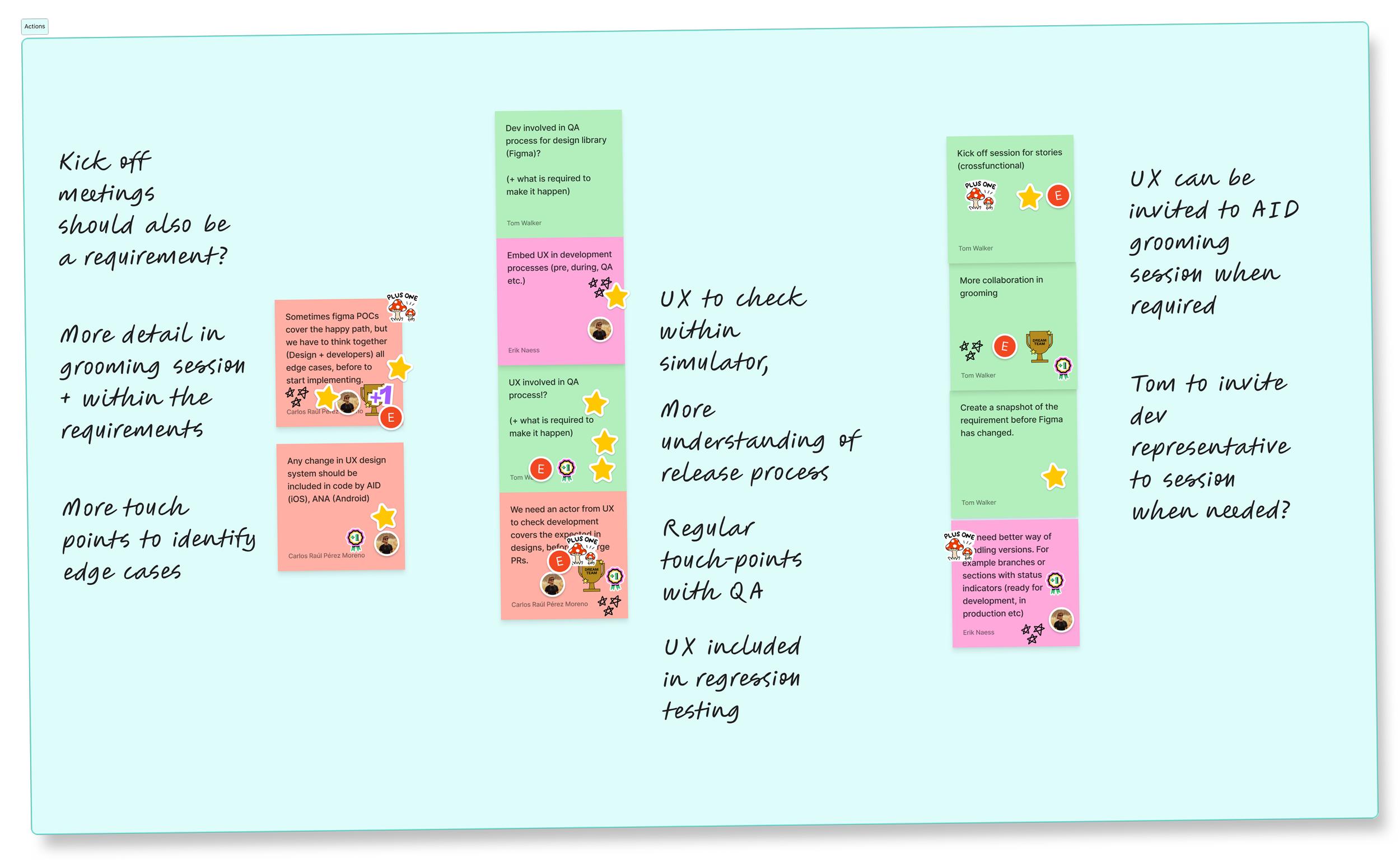
Ideation Workshop — turning output into actions
Delivery proccess
Each product team we work with has its own backlog and priorities. However, because we operate across different business areas — each with varying levels of maturity and multiple engineering teams in different locations — alignment isn’t always straightforward.
Our designers also work across multiple codebases (React for web and SwiftUI for iOS), which adds further complexity.
To manage this, I maintain a separate design backlog, which allows me to balance business priorities with design capacity. This forms the foundation of our internal delivery process, Scrumban — a hybrid approach that combines the flexibility of Kanban with the structure and rhythm of Scrum.
Key elements include:
A fluid backlog that can adjust quickly to changing priorities.
Selective ceremonies (stand-ups, planning sessions, retrospectives) to maintain rhythm without overburdening the team.
A two-week cycle that gives us enough control to plan, while keeping flexibility to adapt mid-cycle.
This process gives us the ability to stay responsive while maintaining accountability and delivering consistently to stakeholders.
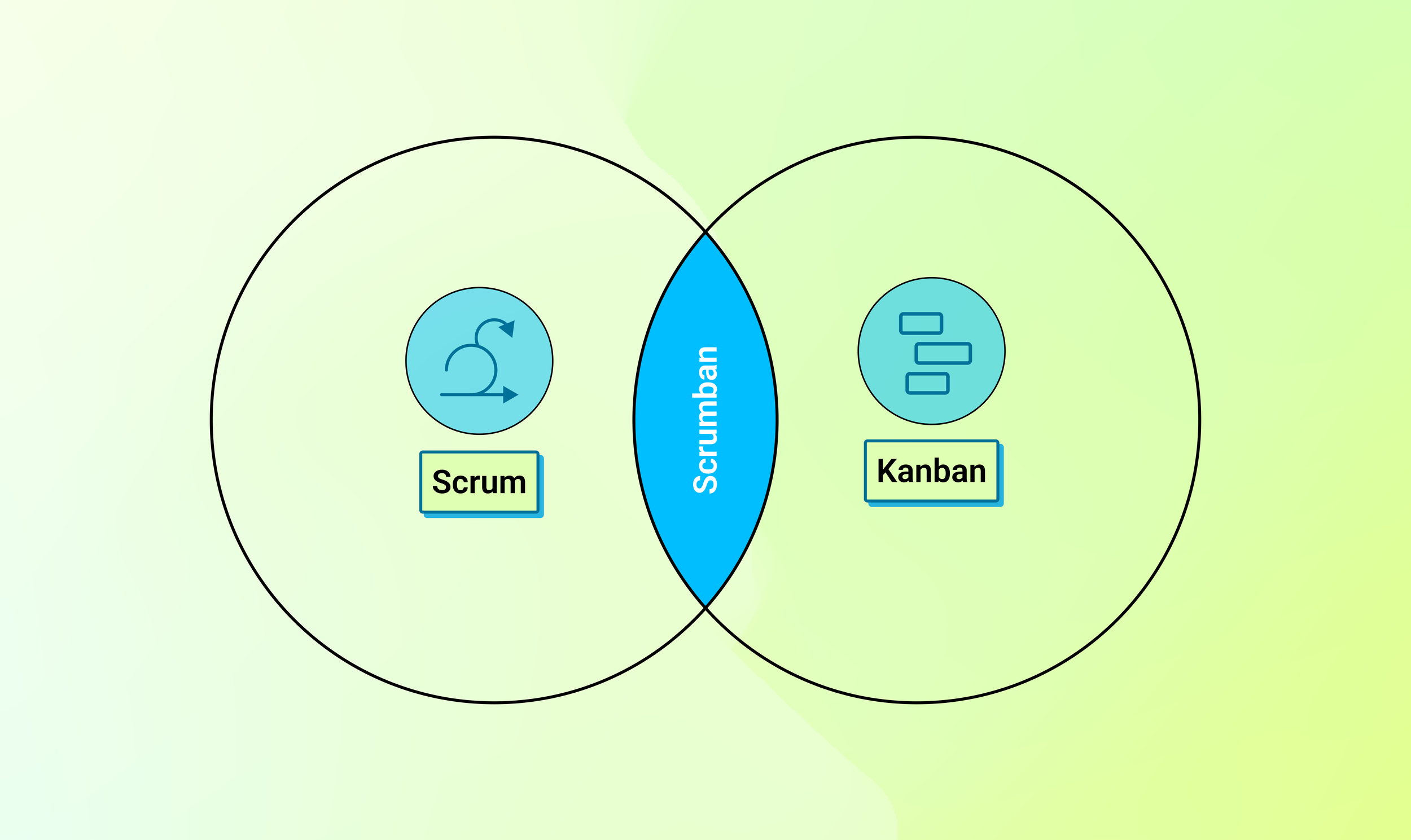
Scrumban — a hybrid delivery model
Reflections
Providing a collective vision not only motivates senior team members — it turns them into mentors for junior designers, improving overall team performance and culture.
However, maintaining this momentum requires consistency and care. Both I and the senior designers must invest time to uphold our internal processes and ensure every voice is heard.
When alignment or motivation drifts, I run team retrospectives and ways-of-working sessions to reset expectations and re-establish focus. These sessions sometimes need iteration to find the right format — but repeating and refining them helps maintain engagement and accountability.
Through years of iteration and learning, I’ve seen that great design teams are built on trust, shared purpose, and a process that gives people the confidence and space to do their best work.